

2026-07-22
Shanghai, China – July 22, 2026 – BRL Medicine today announced a significant milestone as the first patient treated with its gene-edited hematopoietic stem cell therapy BRL-101 reaches six years post‑treatment. On July 22, 2020, the world’s first patient with β⁰/β⁰ transfusion‑dependent β-thalassemia (TDT) receiving BRL-101 successfully achieved transfusion independence (TI). Patients with the β⁰/β⁰ genotype, in which both β-globin genes are unable to produce functional β‑globin, typically present with a more severe phenotype and higher long‑term transfusion requirements. After six years of continuous follow-up, this child remains transfusion-independent, with hemoglobin levels stably maintained at approximately 140 g/L (within the normal reference range for age and sex), overall good health, and growth and development consistent with age‑expected milestones. Another pediatric TDT patient with the β⁰/β⁺ genotype treated during the same period also remains transfusion‑independent, with hemoglobin sustained at around 120 g/L, and normal growth, development, and daily life. Both early-treated children have achieved sustained and stable clinical benefits, further supporting the durable efficacy of BRL-101 and its therapeutic potential across different severe TDT genotypes.
Concurrently, the clinical development of BRL-101 continues to advance. To date, all 30 patients in the pivotal Phase II clinical trial in China for transfusion‑dependent β-thalassemia have been dosed, and all have achieved at least 6 months of transfusion independence (TI6). They are being followed per protocol to evaluate 12‑month transfusion independence (TI12) for further assessment of efficacy and safety.
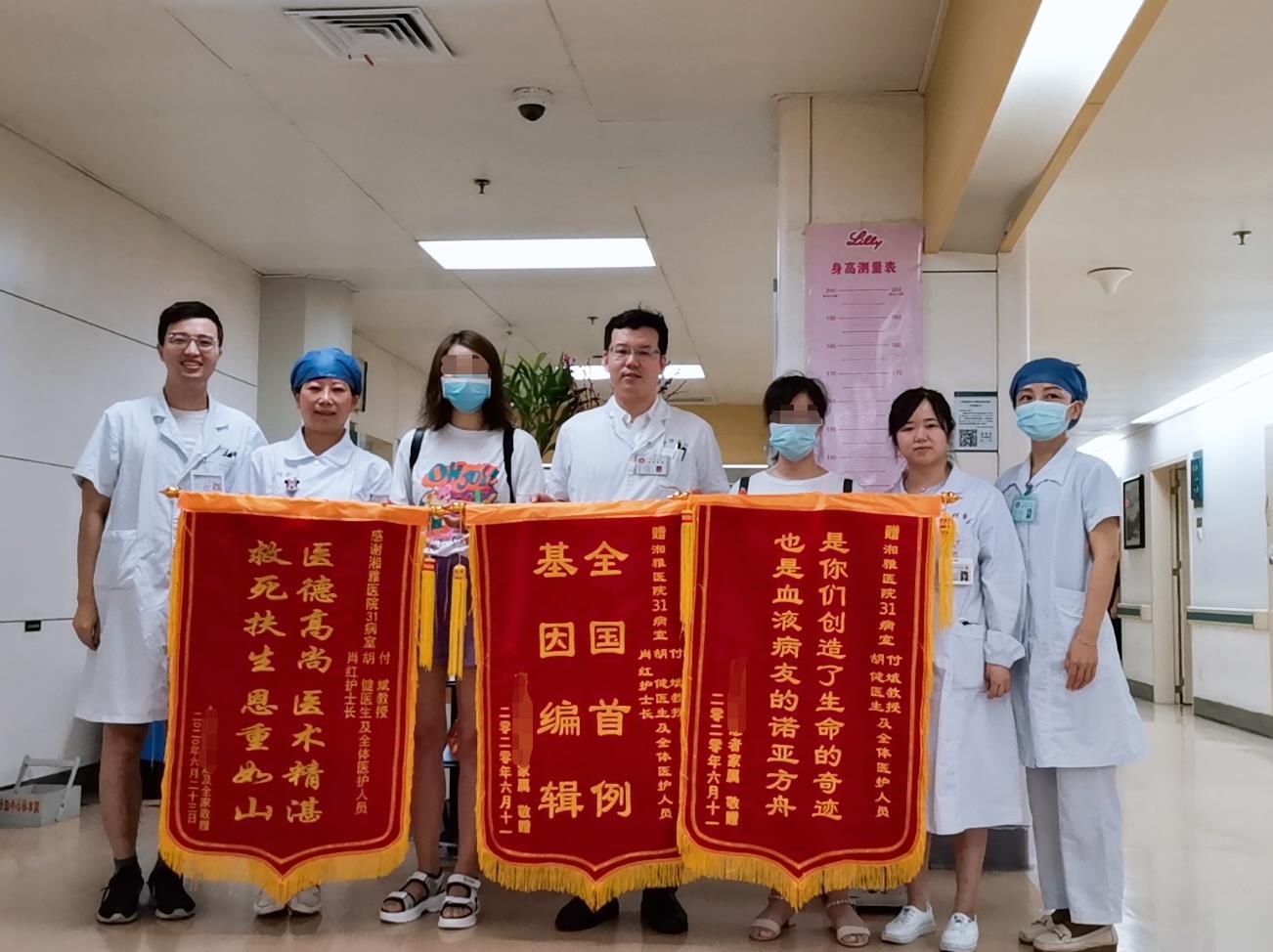
In July 2020, the first patient was discharged after successful treatment; family members with the clinical PI.
Six-year follow-up supports BRL-101’s potential for “one-time treatment, lifetime benefit”
TDT is a severe inherited blood disorder. Due to defective β-globin production, patients typically require regular lifelong transfusions to sustain life, facing long‑term burdens such as iron overload and related organ damage. Among them, β⁰/β⁰ patients, who produce no functional β-globin from either allele, usually exhibit the most severe disease phenotype and are heavily dependent on chronic regular transfusions.
BRL-101, developed using BRL Medicine’s proprietary hematopoietic stem cell platform, precisely edits the patient’s own hematopoietic stem cells to induce re-expression of fetal hemoglobin (HbF), addressing the root cause of impaired hemoglobin production. The goal is to achieve a one-time curative treatment that could enable patients to completely eliminate transfusion dependence.
The development and early clinical results of BRL-101 were previously published in the top international medical journal Nature Medicine. The study reported clinical outcomes of BRL-101 in pediatric β⁰/β⁰ TDT patients, showing achievement of transfusion independence and further supporting the potential of hematopoietic stem cell gene-editing therapy for severe hemoglobinopathies.
Pivotal Phase II registration trial progresses; all 30 patients dosed
Building on the long-term benefit observed in the first patient, BRL Medicine has continued to advance the clinical development of BRL-101. Following successful completion of IIT and Phase I trials, the Phase II trial in TDT patients has now completed dosing of all 30 enrolled patients. To date, all 30 patients have achieved at least 6 months of transfusion independence (TI6) and are under ongoing follow-up. The positive progress of the Phase II trial marks a transition from early-stage clinical exploration to a larger‑scale validation phase. The company will continue to accumulate long-term follow-up data and advance preparations for regulatory submission.
ASGCT 2026 presents latest clinical update on 45 patients
In May 2026, at the 29th Annual Meeting of the American Society of Gene & Cell Therapy (ASGCT 2026), BRL Medicine presented an oral report on the latest clinical progress of BRL-101 in patients with transfusion-dependent β-thalassemia.
As of the data cutoff of February 20, 2026, a total of 45 thalassemia patients had received BRL-101 treatment. The presentation showed that in the early-stage (IIT) and Phase I registration studies, all 15 thalassemia patients achieved cure, with 100% remaining transfusion-independent for at least 12 months, a median follow-up of 36.5 months, and the longest follow-up approaching 6 years—setting a new record for the longest long‑term follow‑up in domestic gene therapy for thalassemia. In the Phase II registration trial, all 30 patients had received BRL-101 and all had achieved at least 6 months of transfusion independence (TI6), further validating the curative potential of the product.
To date, no graft-versus-host disease (GVHD) has been observed in BRL-101 clinical studies, and no study withdrawals or deaths due to adverse events have occurred. These safety results further support the development potential of BRL-101 for one-time treatment with lifelong benefit.
From first patient to systematic clinical validation: BRL-101 enters a new stage of registration development
From the first patient treatment in 2020, to six years of sustained transfusion independence, from early-stage publication in Nature Medicine to successful completion of IIT and Phase I trials, and now to the dosing of all 30 patients in the pivotal Phase II registration trial with rapid achievement of transfusion independence criteria—BRL-101 is making a critical transition from technological breakthrough, clinical validation, to registration-oriented development.
Looking ahead, BRL Medicine will continue to advance the clinical development of BRL-101 for transfusion-dependent β-thalassemia and other severe hemoglobinopathies, while steadily enhancing manufacturing, quality systems, and commercialization readiness.

Dr. Yu Xiang, CEO of BRL Medicine
Dr. Yu Xiang, CEO of BRL Medicine, commented: “Six years ago today, the first patient received BRL-101 treatment. Six years later, this patient remains transfusion‑independent, with stable hemoglobin levels and good growth and daily life. For a patient who once required chronic regular transfusions, this real, sustained change is the most compelling evidence of the value of innovation. From the first patient’s clinical exploration, to the completion of dosing in all 30 Phase II patients, to the clinical update presented at ASGCT, BRL-101 is achieving a major leap from technological breakthrough and clinical validation to registration development. This represents not only an increase in patient numbers, but also the accumulation of long-term, systematic clinical evidence. As the company enters a new stage, the management team will continue to prioritize patient value and high-quality clinical evidence, further strengthen capabilities in clinical development, regulatory filing, quality systems, and industrialization, while actively exploring global partnerships to accelerate BRL-101 toward becoming an innovative therapy accessible to more patients.”
About BRL-101
BRL-101 is an autologous hematopoietic stem cell therapy developed using gene-editing technology, intended for the treatment of severe inherited blood disorders such as transfusion‑dependent β-thalassemia and sickle cell disease. BRL-101 works by precisely editing key regulatory regions in the patient’s own hematopoietic stem cells to induce fetal hemoglobin expression, thereby restoring hemoglobin production. BRL-101 is developed based on BRL Medicine’s proprietary hematopoietic stem cell platform, and the company is continuing to advance clinical research, registration development, and industrialization preparations.
About BRL Medicine
BRL Medicine is a biopharmaceutical company focused on the R&D and industrialization of innovative gene and cell therapies. The company’s pipeline encompasses genetic diseases, autoimmune diseases, hematological malignancies, and solid tumors, built on cutting‑edge platforms including hematopoietic stem cell gene therapy, allogeneic universal immune cell therapy, and in vivo cell therapy. BRL Medicine is committed to delivering innovative treatment options with long‑term clinical value for patients with severe diseases through globally competitive gene and cell therapy technologies.
Forward-looking Statements
This press release contains forward-looking statements regarding the company’s future R&D plans, clinical development, regulatory submissions, and commercialization. These statements are based on information and judgments currently available to the company; actual results may differ due to clinical study outcomes, regulatory reviews, manufacturing, and other factors. BRL-101 remains in clinical development and has not received marketing approval; its safety and efficacy are subject to confirmation by regulatory authorities. This press release does not constitute product promotion or investment advice.